
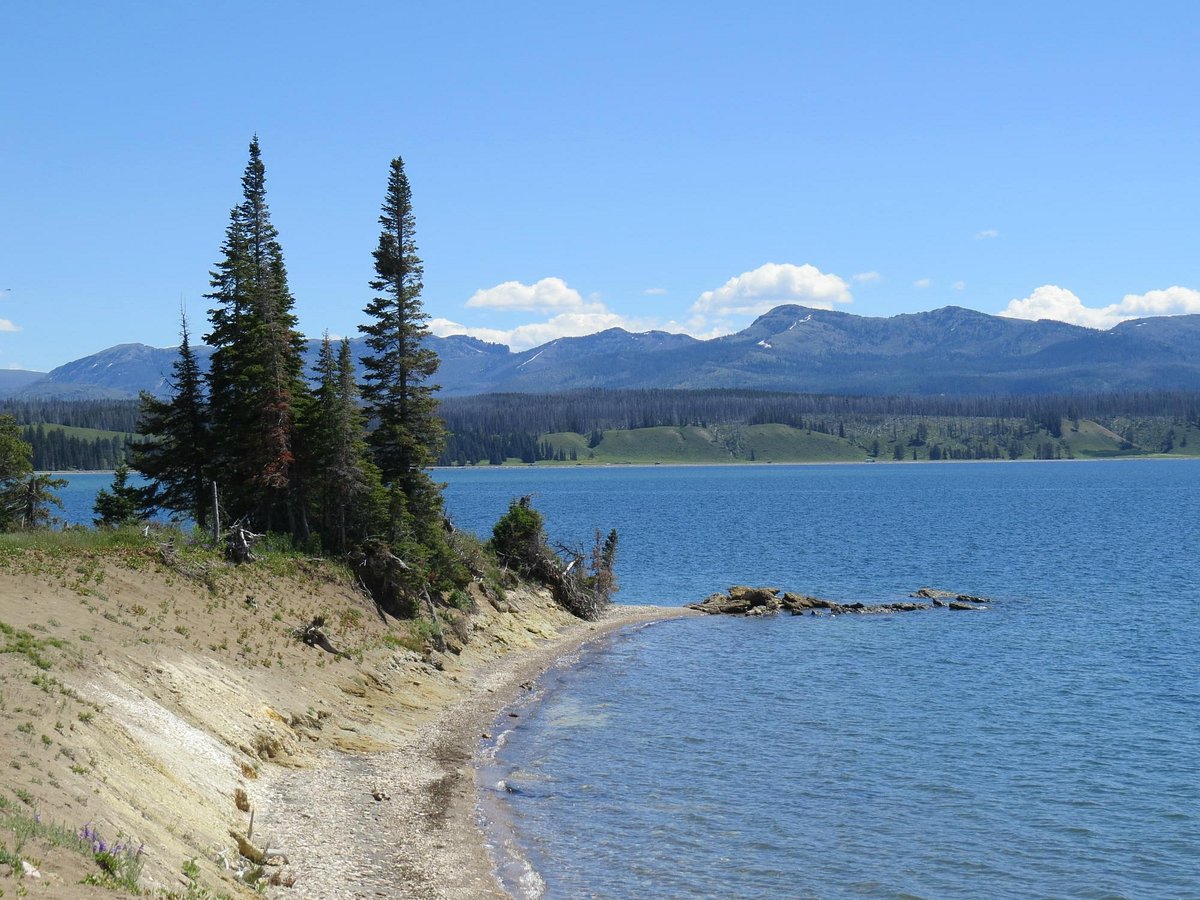
If you’re planning a trip to America’s first national park, you already know Yellowstone is massive, wild, and unlike anywhere else on Earth. But with more than four million annual visitors, unpredictable weather, and wildlife that doesn’t care about your itinerary, the park rewards travelers who prepare strategically. These Yellowstone travel tips will help you beat the crowds, stay safe, and experience the park like a seasoned explorer.
1. Enter the Park Early (or Late) to Avoid the Crowds
One of the most valuable Yellowstone travel tips is simple: adjust your schedule. Yellowstone’s busiest hours are between 10 a.m. and 4 p.m., when tour buses, day‑trippers, and late risers all converge on the same roads and viewpoints. If you want to enjoy Old Faithful, Grand Prismatic, or Lamar Valley without shoulder‑to‑shoulder crowds, aim for sunrise or sunset.
Early mornings offer several advantages:
- Wildlife is most active at dawn, especially wolves, bears, elk, and bison.
- Parking lots at major attractions are nearly empty.
- Temperatures are cooler, which matters during summer heat waves.
Evening visits are equally rewarding. The golden light across Hayden Valley or Yellowstone Lake is spectacular, and crowds thin dramatically after 6 p.m. If you’re staying inside the park, take advantage of this by planning your biggest stops outside peak hours.
2.Use Multiple Park Entrances to Save Time
Yellowstone is huge—over 2.2 million acres—and traffic jams caused by wildlife sightings or road construction can derail your plans. One of the smartest Yellowstone travel tips is to use alternative entrances instead of relying solely on the popular West Entrance near West Yellowstone.
Here’s how each entrance can help you hack your route:
- Northeast Entrance (Cooke City): Best for accessing Lamar Valley, the top wildlife‑watching area.
- East Entrance (Cody): Scenic, less crowded, and ideal for reaching Yellowstone Lake and Hayden Valley.
- South Entrance (Grand Teton connection): Perfect if you’re combining both parks in one trip.
- North Entrance (Gardiner): Open year‑round and great for Mammoth Hot Springs.
By planning your days around different entrances, you can avoid bottlenecks and reach quieter areas faster.
Yellowstone Travel Tip 3. Pack for All Seasons—Even in Summer
Yellowstone’s weather is famously unpredictable. Snow in June? Absolutely. A 40‑degree temperature drop in an afternoon? Happens all the time. That’s why one of the most practical Yellowstone travel tips is to pack layers no matter when you visit.
Your Yellowstone weather kit should include:
- A warm fleece or insulated jacket
- A waterproof shell
- Gloves and a beanie (yes, even in July)
- Quick‑dry hiking pants
- Sunscreen and sunglasses
- A refillable water bottle or hydration pack
Afternoon thunderstorms are common in summer, and temperatures at higher elevations can feel drastically colder than the valleys. Being prepared ensures you can stay out exploring instead of retreating to your car or lodge.
Yellowstone Travel Tip 4. Download Offline Maps and the Yellowstone App Before You Arrive
Cell service in Yellowstone is extremely limited. Google Maps, Apple Maps, and even GPS apps can fail when you need them most. One of the most underrated Yellowstone travel tips is to download everything you need before entering the park.
Make sure you have:
- Offline Google Maps for the entire park
- The official National Park Service Yellowstone app
- Offline trail maps from AllTrails or Gaia GPS
- Screenshots of your lodging reservations and park passes
The NPS app is especially helpful because it includes geyser eruption predictions, road closure updates, and ranger alerts. When bison block the road for an hour or a sudden closure affects your route, having offline tools keeps your trip running smoothly.
Yellowstone Travel Tip 5. Explore Beyond the Big Five Attractions
Most visitors flock to the same iconic spots: Old Faithful, Grand Prismatic, Mammoth Hot Springs, Yellowstone Lake, and the Grand Canyon of the Yellowstone. They’re spectacular, but they’re also crowded. One of the best Yellowstone travel tips is to carve out time for lesser‑known gems.
Try these quieter alternatives:
- Fairy Falls Trail: A scenic hike with a stunning view of Grand Prismatic from above.
- Blacktail Plateau Drive: A peaceful, wildlife‑rich backroad.
- Storm Point Trail: A serene lakeside loop near Yellowstone Lake.
- Artist Paintpots: A colorful geothermal area with fewer crowds.
- Bechler Region (Cascade Corner): Waterfalls, hot springs, and solitude—best for experienced hikers.
By mixing iconic stops with off‑the‑beaten‑path adventures, you’ll experience a more balanced and memorable Yellowstone trip.
Final Thoughts
Yellowstone is a place where preparation pays off. From timing your visits strategically to packing for unpredictable weather and exploring beyond the main attractions, these Yellowstone travel tips help you travel smarter, safer, and with far less stress. Whether you’re a first‑time visitor or returning for a deeper experience, these hacks ensure you’ll see the park at its best.