
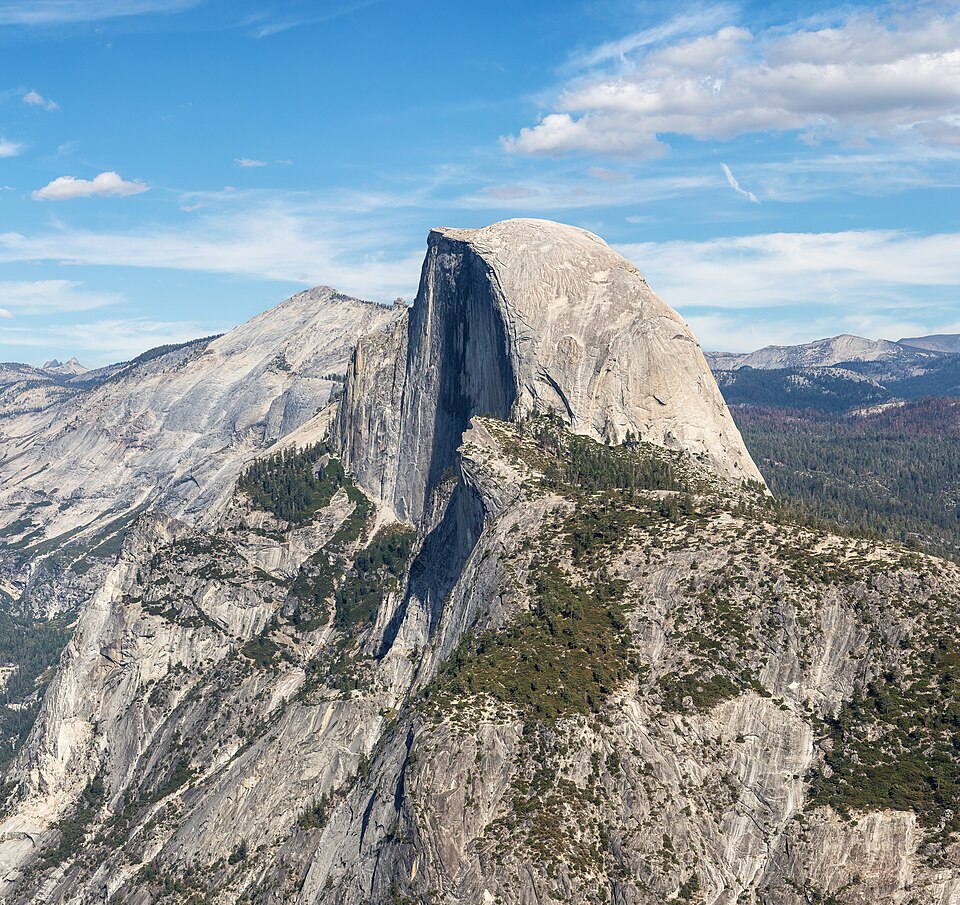
Yosemite National Park is one of America’s most iconic landscapes—a place where granite cliffs glow at sunset, waterfalls thunder in spring, and giant sequoias stand as living monuments to time. Whether you’re visiting for the first time or returning to explore deeper, having the right strategy can transform your experience from “beautiful” to truly extraordinary. These Yosemite travel tips focus on timing, navigation, safety, and insider strategies that help you see more while avoiding the crowds.
1. Time Your Visit Strategically to Avoid Crowds and Maximize Scenery
The single most important of all Yosemite travel tips is choosing the right time to visit. Yosemite welcomes over four million visitors a year, and crowd levels can dramatically shape your experience.
Best seasons:
- Late May–June: Peak waterfalls, warm weather, and open high-country roads.
- September–October: Fewer crowds, crisp air, and stunning fall color in Yosemite Valley and Tuolumne Meadows.
- Winter (December–February): Quiet trails, snowy landscapes, and access to Badger Pass Ski Area.
Avoid peak congestion: Summer weekends often bring long entrance lines and limited parking. If summer is your only option, arrive before 7 a.m. or after 4 p.m. to enjoy cooler temperatures and easier access to trailheads.
Pro tip: If you want iconic photos of Tunnel View, Glacier Point, or El Capitan Meadow, sunrise and sunset offer the best light and the fewest people.
2. Use the Park Shuttle System and Plan Parking Wisely
Driving inside Yosemite can be challenging, especially during peak season. Parking lots fill early, and traffic can slow to a crawl in Yosemite Valley. One of the smartest Yosemite travel tips is to minimize driving once you’re inside the park.
How to navigate efficiently:
- Park once—preferably at Yosemite Village, Curry Village, or Yosemite Falls Parking—and rely on the free shuttle system.
- Shuttles run frequently and connect major trailheads, viewpoints, and lodging areas.
- If you’re staying outside the park, consider using the YARTS regional bus, which drops you directly in Yosemite Valley and eliminates the stress of finding parking.
Why this matters: Less time circling for parking means more time on trails, at viewpoints, and soaking in the scenery. Plus, reducing vehicle traffic helps protect Yosemite’s fragile ecosystem.
3. Choose Trails That Match Your Skill Level—and Start Early
Yosemite’s trails range from gentle valley loops to strenuous climbs up granite staircases. Choosing the right hike is essential for safety and enjoyment.
Top beginner-friendly hikes:
- Lower Yosemite Fall Trail (1 mile): Easy, paved, and perfect for families.
- Cook’s Meadow Loop (1 mile): Incredible views of Half Dome and Yosemite Falls.
- Mirror Lake Trail (2–5 miles): Peaceful, scenic, and great for photography.
Moderate hikes:
- Vernal Fall Footbridge (2.4 miles): A taste of the Mist Trail without the steep granite steps.
- Taft Point (2.2 miles): Dramatic cliffs and sunset views from Glacier Point Road.
Challenging hikes:
- Mist Trail to Vernal and Nevada Falls (6 miles): Iconic, steep, and unforgettable.
- Four-Mile Trail (9.6 miles): A demanding climb with sweeping views of Yosemite Valley.
- Half Dome (14–16 miles): Requires a permit and excellent fitness.
Start early—always: Beginning your hike at sunrise gives you cooler temperatures, emptier trails, and better wildlife sightings. It’s also one of the most effective Yosemite travel tips for avoiding crowds on popular routes like the Mist Trail.
4. Prepare for Rapid Weather Changes and Bring the Right Gear
Yosemite’s elevation ranges from 2,000 to over 13,000 feet, which means weather can shift quickly. Even in summer, mornings can be chilly, and afternoon thunderstorms are common in the high country.
Essential gear to pack:
- Layers: A moisture-wicking base layer, warm mid-layer, and lightweight rain jacket.
- Sturdy footwear: Trails can be steep, rocky, or wet—especially near waterfalls.
- Water and snacks: Bring at least 2 liters of water per person for moderate hikes.
- Sun protection: High elevation means stronger UV exposure.
- Navigation tools: Offline maps from AllTrails or Gaia GPS are invaluable in areas with limited cell service.
Safety reminder: Never underestimate Yosemite’s terrain. Stay on marked trails, avoid wet granite near waterfalls, and keep a safe distance from wildlife. Black bears are common, but they generally avoid humans—just store food properly and follow ranger guidelines.
5. Explore Beyond Yosemite Valley for a More Peaceful Experience
Yosemite Valley is breathtaking, but it represents only a small portion of the park. Some of the best Yosemite travel tips involve venturing into lesser-known areas where the crowds thin and the scenery expands.
Don’t miss these quieter gems:
- Tuolumne Meadows: Alpine lakes, domes, and meadows at 8,600 feet. Perfect for summer hiking.
- Hetch Hetchy: A peaceful reservoir with waterfall hikes and fewer visitors.
- Mariposa Grove: Home to over 500 giant sequoias, including the Grizzly Giant.
- Glacier Point Road: Offers Taft Point, Sentinel Dome, and panoramic views of Half Dome.
Why explore beyond the valley: You’ll experience Yosemite’s diversity—glacial meadows, high-elevation forests, and pristine lakes—without the crowds that gather around Yosemite Falls and El Capitan.
Final Thoughts
Yosemite is a place that rewards preparation, patience, and curiosity. By timing your visit well, using shuttles, choosing the right trails, packing smart, and exploring beyond the valley, you’ll unlock a richer, more immersive experience. These Yosemite travel tips help you see the park the way it deserves to be seen—calmly, intentionally, and with a sense of wonder.